
These are interesting times. If there’s one thing I’ve learned during this COVID-19 pandemic, its that a majority of Americans do not practice basic hygiene, such as hand washing, covering your mouth with you yawn, cough or sneeze. I’ve known this, personally and historically (do your own research on the history of bathing in Europe and the role of Moorish culture in introducing hygiene practices to the western world), but there’s something about seeing signs, posters, commercials and social media ads reminding people to practice some basic shit that just has me thoroughly shook. For those of us who do practice basic hygiene, knowing that most of those around you don’t share the same practices can be anxiety provoking or vomit inducing, depending on your anxiety triggers and Virgo placements (Virgo rising here).
Now lets take it one step further: how many of us practice energetic hygiene?
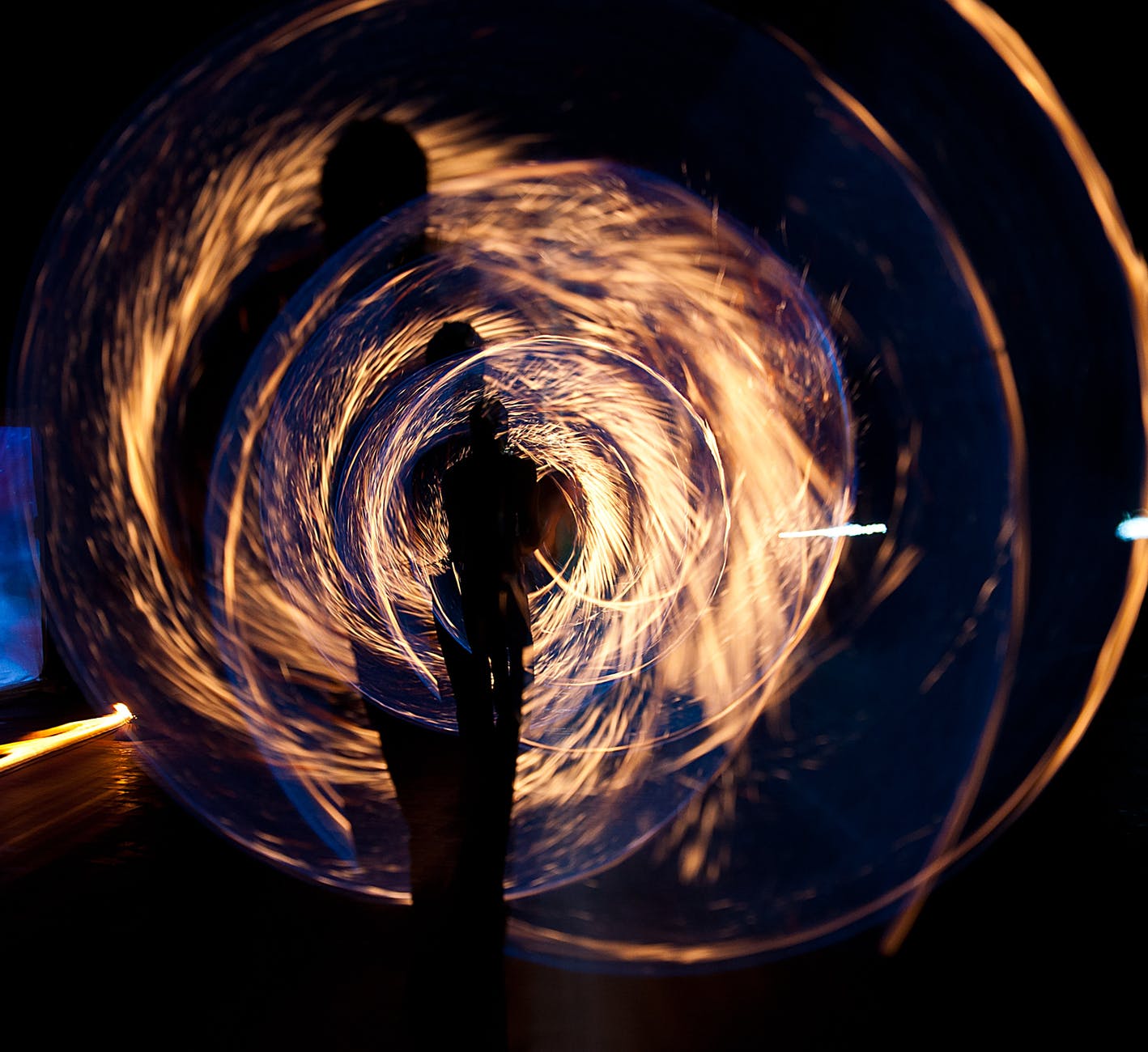
Energetic hygiene is a system of behaviors, practices and techniques to maintain your energetic field and vibration, and to keep your aura strong. Energy is in all living things. Energy cannot be created or destroyed. It can only be transformed from its current state to another. As living beings, energy is both within us and flows through us, through blood and breath, through our senses, through food and water, and through relationships with self and others. Over time, we develop an energetic field, a pattern of vibration, or what we commonly refer to as a “vibe.” The aura is an electromagnetic energy field that surrounds the body, and is comprised of the state of and flow of energy through chakras, energy centers or knots throughout the body.
Why is energetic hygiene important? We all have that family member, friend or co-worker, whom after we interact with, we feel low energy, tired, hungry, frustrated or even angry? If someone asked you to describe what’s happening, you might say thing person is draining, or you might even call them an energy vampire or narcissist. While there are an abundance of words to describe this type of person and the way they can drain your energy, there’s not much discussion of how to protect and strengthen your aura or how to clear/cleanse your energy so that these types of people have no or a limited effect on you. That’s what energetic hygiene is all about. I first learned of energetic hygiene practices watching Elder Black women observe, deal with and resolve all sorts of tactics exacted by white supremacist capitalism, and its ensuing hetereo-patriarchy and misogyny to drain, misdirect and entangle Black women, especially femme’s energy. Black women have long been stewards of energetic hygiene practices, teaching us to not allow people to trouble you with their drama, negativity and problems, to mind your business (this is literally one of my favorite wisdoms of all time), to wash “outside” off before coming in the house, to clean at dawn. Energetic hygiene is extremely important as we navigate 2020, with COVID-19, the ongoing Saturn-Pluto conjunction, the veil lifting to reveal the fascist foundations of this country, and move into a more overt spiritual war for the bodies and souls of melanated people.
This series will highlight some essential energetic hygiene practices and include some reflections informed by and about my practice.
Let’s start with mindfulness: Mindfulness is a practice that strengthens your awareness of the present moment, the now. The purpose of mindfulness is not to not have thoughts, but rather to practice having thoughts without becoming too attached to them or judging them. When practiced regularly, mindfulness can help you to “see” your daily thought patterns and support a process of reflection, acceptance and transformation. When you are more aware of your thoughts and can practice detachment from them, you are able to redirect, transform your thinking. Your thoughts, subconscious and conscious, contribute significantly to your energy and energetic field; Consider your mind the master programmer of your energy, telling you what to pay attention to and what to occupy your focus. When your thoughts are negative, when you worry, when you stay in a state of fear or panic, you are directing your energy to a lower vibration which keeps you in a state of attachment to pain and reduces your power. When your thoughts are positive, when you have an abundance mindset, when you focus on peace and harmony, when you experience joy, you are directing your energy to a higher vibration. Maintaining a higher vibration, is a key component of energetic hygiene, as you are able to shift your energy away from harmful elements and stay centered in that which fuels, inspires and nurtures you.
If you are new to mindfulness, start by developing a journaling practice. Journaling is a way to recap the key events, thoughts and feelings of the day. Journaling is a form of mindfulness practice, of noticing what is happening within you, to you and around you, and writing it down. When you journal, paying attention to which people and things make you feel good, and those that make you feel low, angry, sad or tired. Avoid the temptation to avoid all things that make you feel “bad.” Good energetic hygiene is not about avoiding all “bad” things, but rather discerning which are necessary or unnecessary and accepting responsibility for how you react to them. Some people, places or things that make you feel “bad” may be revealing something to you about yourself, something you need to work on to develop good character, what folks in the Yoruba tradition call lwa pele. Other people, places or things that make you feel bad are an opportunity to learn and practice better boundaries to protect your energy and strengthen the aura to minimize the energetic interference.
For those of doing interpersonal work with others, counselors, therapists, mental health practitioners, healers, nurses, doctors, etc, mindfulness is an important first step to minimizing the impact of secondary trauma, countertransference and preventing burnout. Mindfulness is a key skill to support managing your energy in the face of emotional intensity, pain, suffering and trauma, allowing your mind and heart to become connected enough to be curious about the content and practice empathy, compassion, while remaining detached enough, with boundaries to prevent yourself from falling into the content or merging with the content. It is as valuable a skill set than any modality, any orientation, and all interpersonal workers should learn as part of their training and receive ongoing professional support with.
Do you practice any mindfulness techniques? What works best for you to maintain a balanced energy field and clean aura?
Donate
If you like what you read here, feel free to make a donation via PayPal or CashApp: $BrandiJanaan to support these creative efforts.
3.33 $
 Beloved Wild
Leave a comment